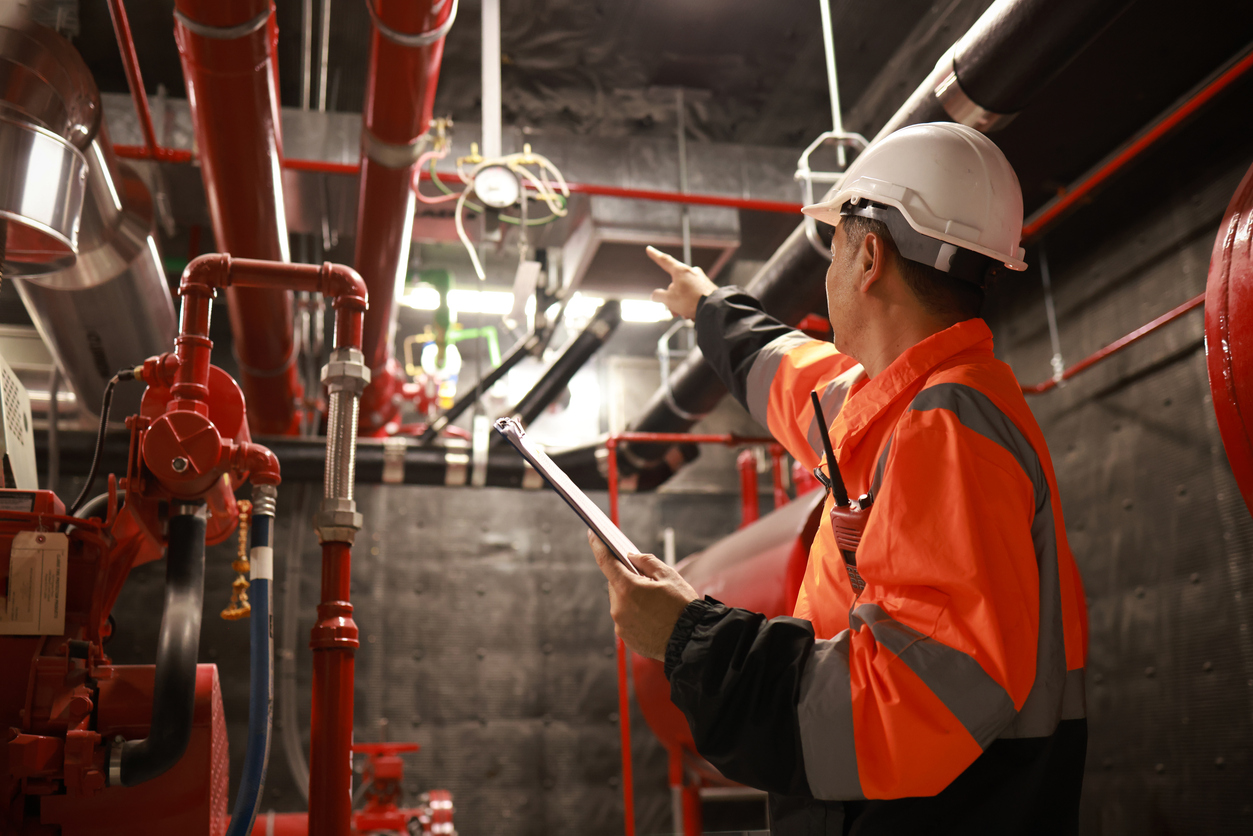

Top Skills You Need as a Fire & Security Engineer
Today’s Fire & Security Engineer is more than just a technician. You’re a critical problem-solver, risk manager, and trusted professional, safeguarding businesses, workplaces, and communities. In this fast-paced and evolving field, mastering essential skills is what truly separates those who excel from the rest. Drawing on years of experience with engineers, I’ve seen firsthand that knowing which skills matter most makes all the difference.
Technical Expertise: Your Foundation for Success
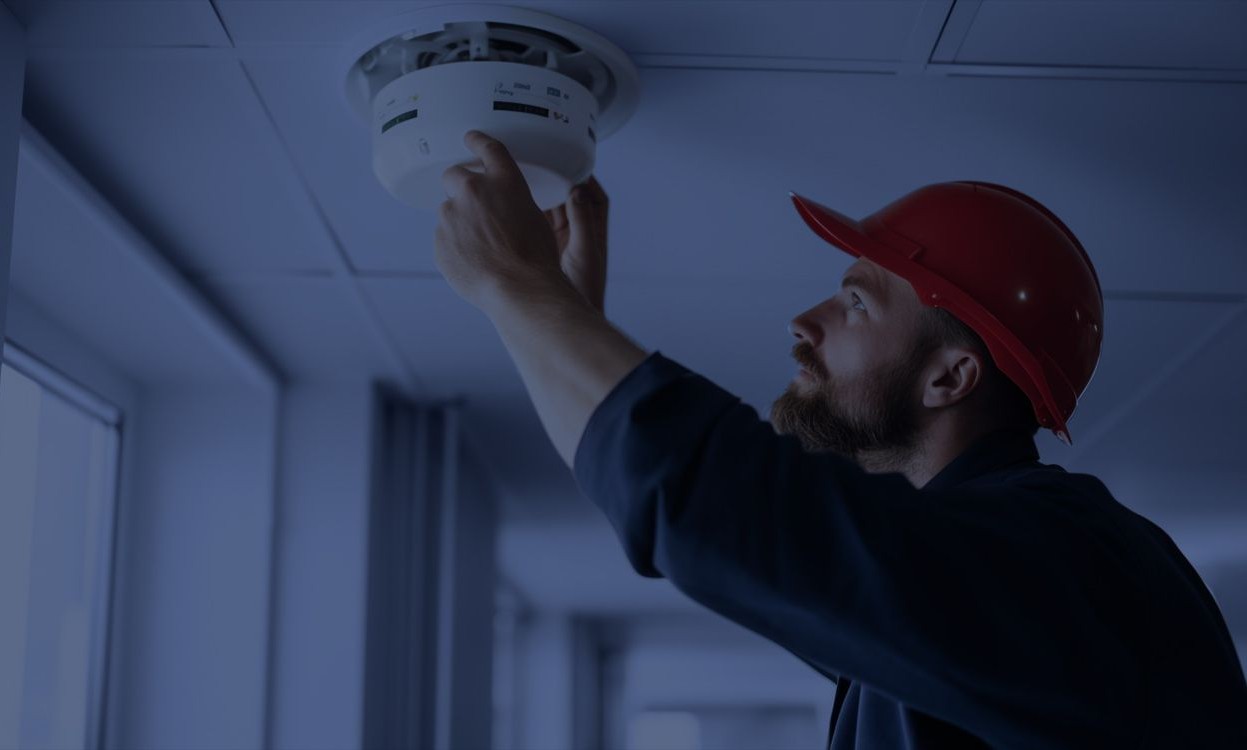
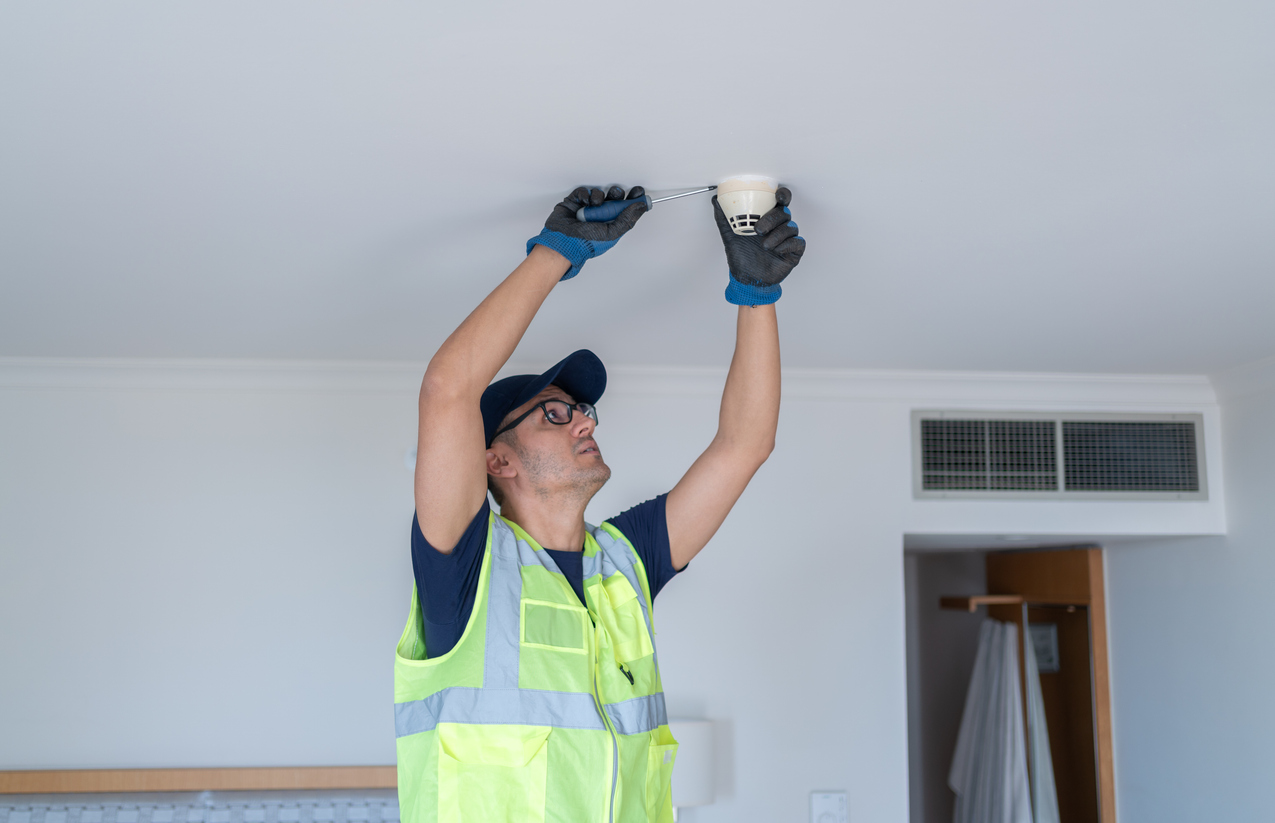
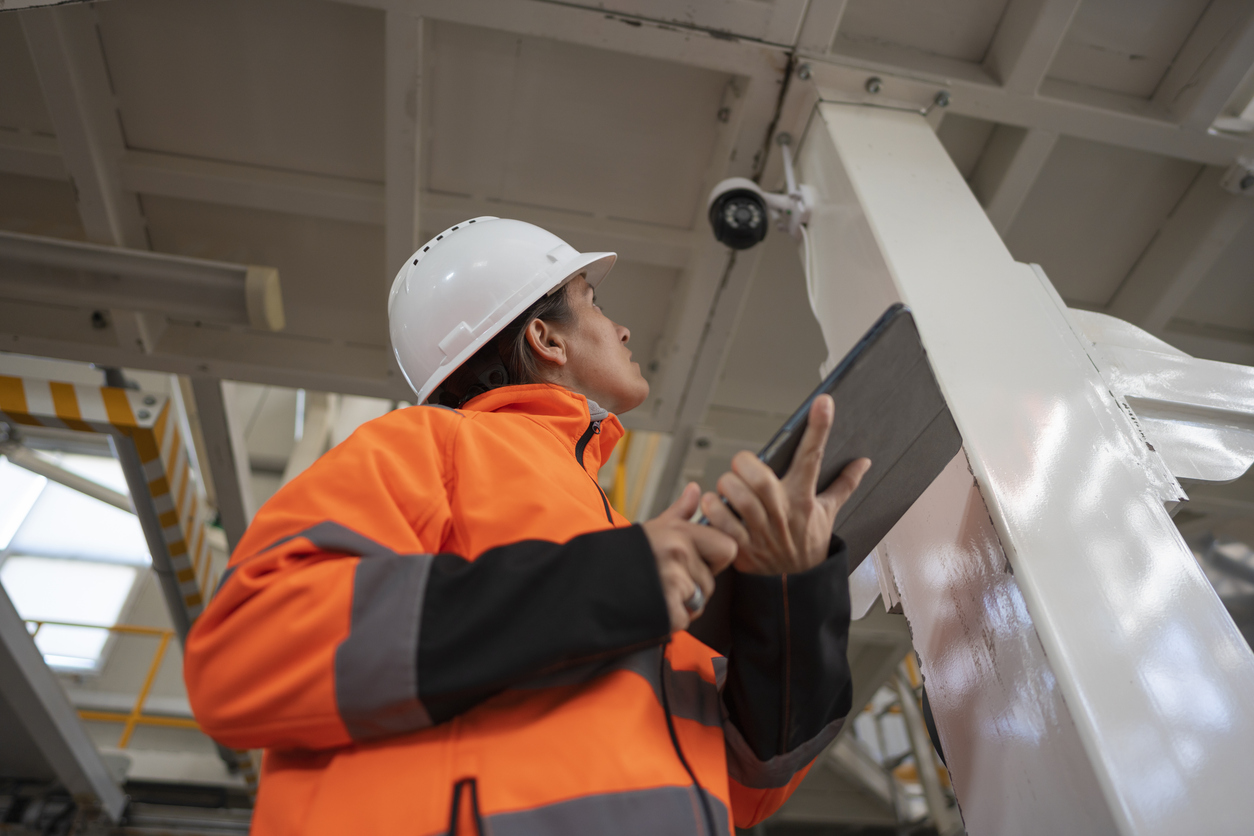
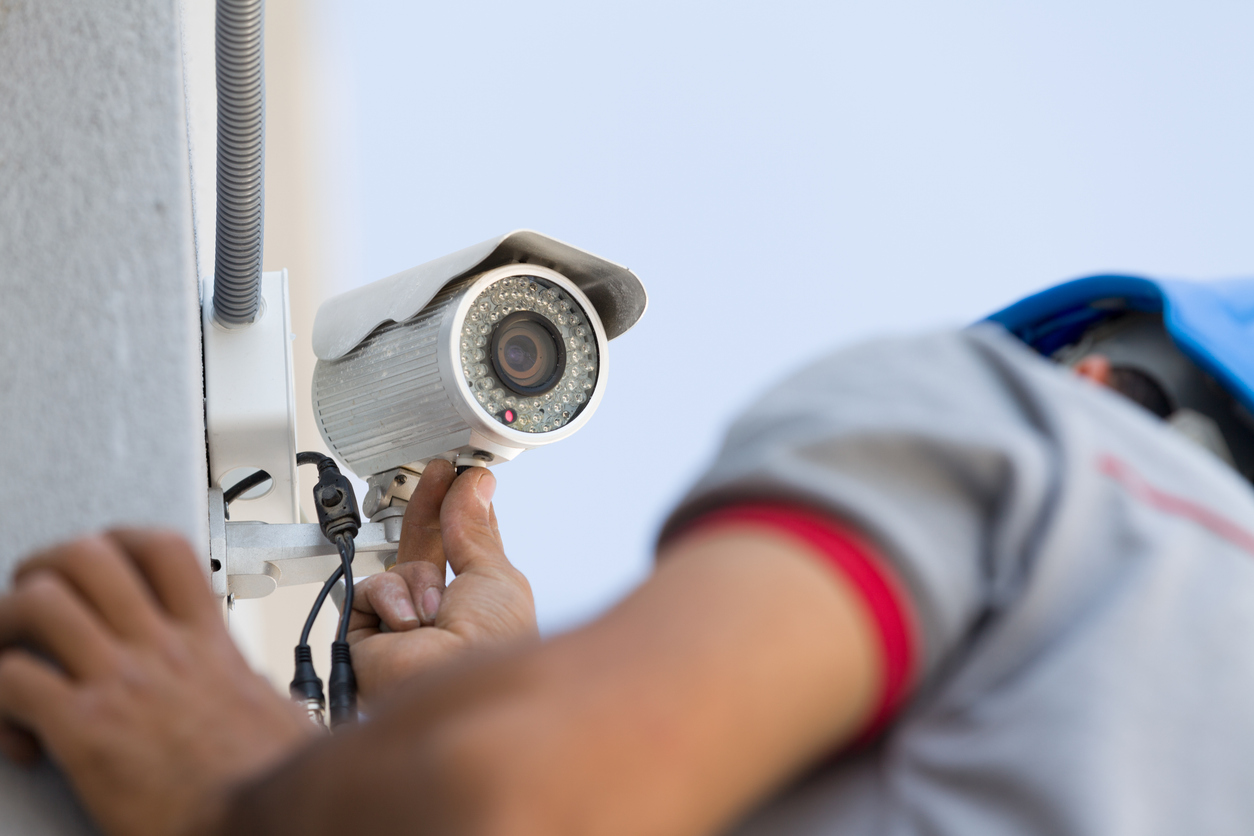
At the heart of every strong fire and security engineer is rock-solid technical expertise. You need to confidently design, install, and maintain systems such as fire alarms, suppression solutions, CCTV, and access control. But it’s not just about knowing individual products, it’s about understanding how systems integrate to deliver complete, reliable safety solutions. Your ability to troubleshoot efficiently, adapt to new technologies, and work strictly within safety standards makes you indispensable on any project. Simply put, your technical skill underpins everything else you do.
Knowledge of Regulations and Compliance
This industry is highly regulated, and staying on top of legislation, codes, and industry standards isn’t optional; it’s essential. A deep understanding of compliance ensures the systems you deliver are safe, reliable, and legally sound, protecting both you and your clients from costly mistakes. Engineers who keep pace with changing regulations position themselves as trusted experts, capable of handling complex, high-responsibility work without hand-holding.
Problem-Solving & Risk Assessment: Turning Challenges Into Opportunities
No two sites are ever the same. From tricky building layouts to bespoke security requirements, you constantly face unique challenges. Strong problem-solving skills and accurate risk assessment let you spot vulnerabilities, plan effective fire safety strategies, and resolve equipment issues fast. The engineers I’ve worked with who stay calm under pressure, weigh options, and act decisively don’t just react to problems; they prevent them, saving clients time, money, and risk.
Communication and Client Management
Being technically brilliant isn’t enough on its own. You also need clear communication and client management skills. Explaining complex systems in simple terms, managing expectations, and confidently advising on safety solutions sets you apart. When you combine technical expertise with strong communication, you become a trusted partner, not just a service provider, opening doors to lead projects, influence decisions, and take charge on site.
Adaptability and Continuous Learning
The fire and security sector never stands still, and neither should you. With constant advancements in technologies and systems, committing to continuous learning is key. Pursuing training, certifications, and industry updates sharpens your skills and advances your career. From my experience, engineers dedicated to learning are at the forefront of industry change.
Building a Career Around These Skills
Developing your technical expertise, regulatory knowledge, problem-solving ability, communication skills, and adaptability doesn’t just make you better at your job; it supercharges your career. These skills let you tackle complex projects, step into senior roles, and specialise in areas like commissioning, risk assessment, or integrated security solutions. By investing in your skill set, you’re not just doing your job well; you’re building a resilient, high-value career in a growing, dynamic industry.