The Future of Fire & Security Contracting: What Engineers Should Prepare For
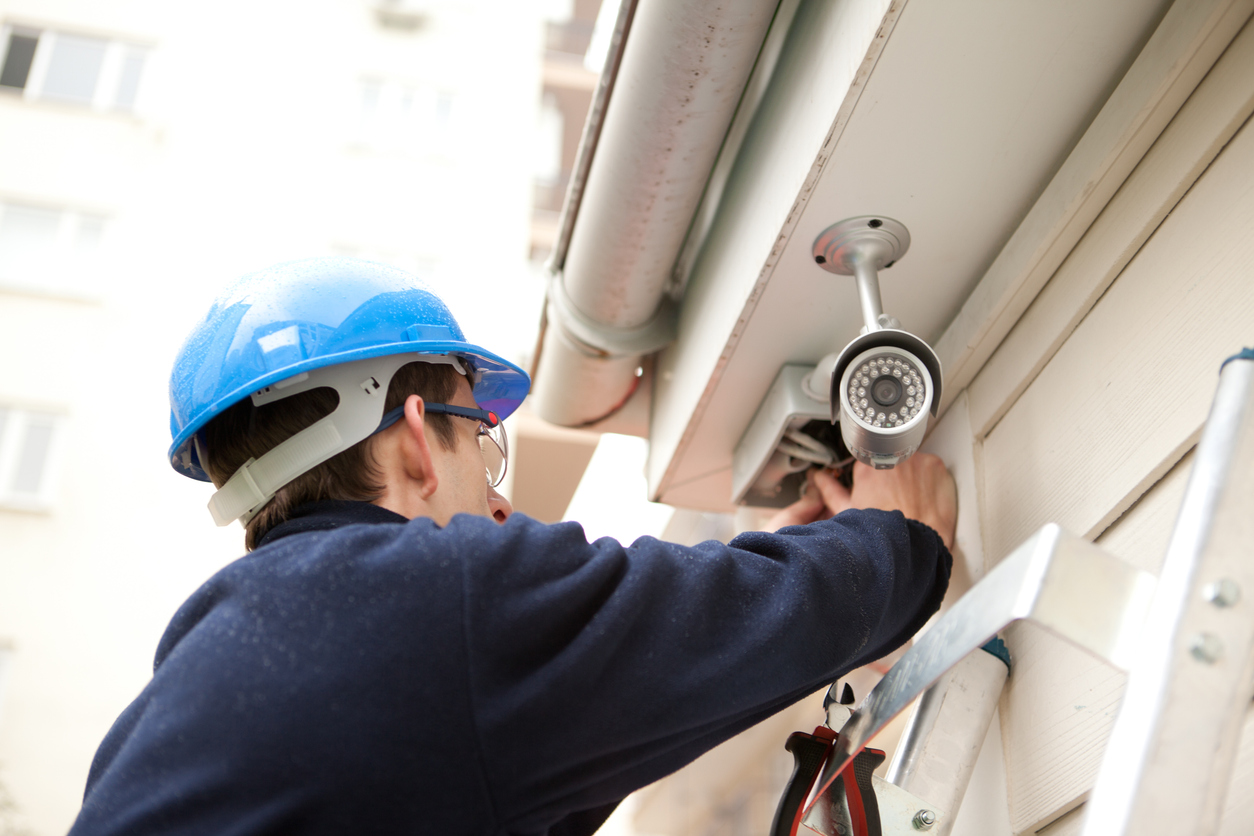
Fire and Security Jobs for Contractors Remain in High Demand
Is Demand for Skilled Fire & Security Contractors Still Strong?
Yes, demand for skilled fire and security contractors remains strong. As compliance requirements increase and systems become more advanced, clients need experienced contractors who can work independently, solve problems on site, and deliver high-quality work without constant supervision. If you have solid experience and a professional approach, you're well positioned to secure consistent contract work.
"Fire & Security recruitment is fast-paced, problem-solving focused, and constantly evolving."
— Callum Watson, Team Leader – Fire and Security Service Contract
This guide breaks down how to pivot your skills toward integrated tech and high-level compliance, so you stay at the top of every recruiter's call list. The industry isn't just getting busier; it's getting smarter, and the gap between "traditional" engineers and future-ready fire and security contractors is going to widen over the next few years. Preparing now puts you in control of your contracting career, rather than reacting to change later.
Broadening Your Skill Set Will Create More Opportunities
The more flexible your skill set, the more options you'll have. Contractors who can work across both fire and security systems, understand install and service environments, and adapt to different site requirements are increasingly in demand.
📌 Where to invest for broader opportunities
- Cross-discipline training: across fire and security systems
- Manufacturer courses: and system-specific knowledge
- Adaptability: comfort moving between install and service environments
Investing in training, manufacturer courses, and system knowledge makes it easier to move between projects and avoid gaps between contracts.
Technology Is Playing a Bigger Role in Your Day-to-Day Work
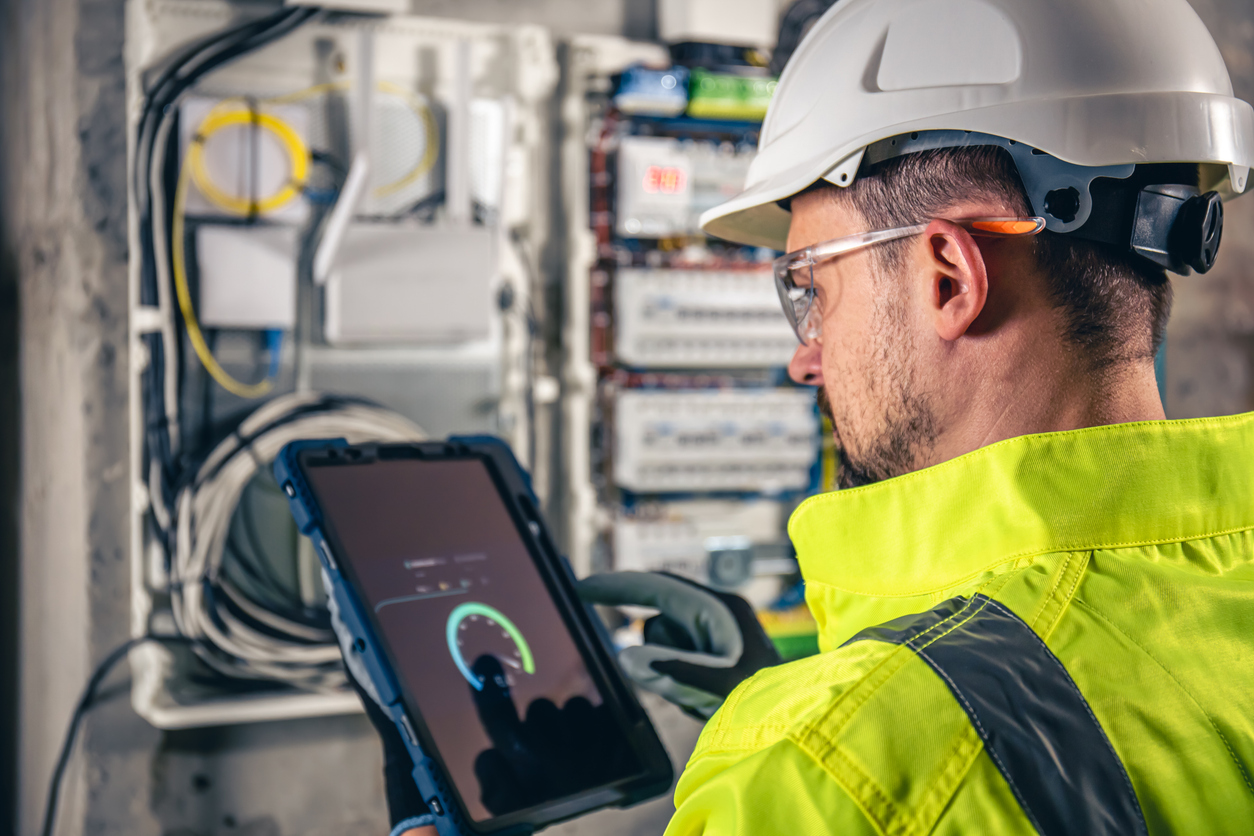
Fire and security systems are becoming more integrated and software-driven. As a contractor, expect increased use of smart systems, remote diagnostics, and integrated platforms.
📌 Tech trends shaping the role
- Smart systems: software-driven setups replacing standalone equipment
- Remote diagnostics: now a standard part of the job
- Integration: platforms connecting fire, security, and building systems
Staying up to date with new technology and staying open to learning modern systems will help you remain competitive as the industry evolves.
📋 Compliance and Professionalism Matter More Than Ever
Clients now expect contractors to arrive fully compliant, organised, and professional. Up-to-date certifications, clear documentation, and strong communication are no longer optional; they're essential.
What "professional service" looks like now:
- Certifications: kept current and ready to evidence
- Documentation: clear, accurate records on every job
- Communication: strong, proactive contact with clients
Treating contracting as a professional service, rather than short-term work, will help you secure repeat business and longer-term opportunities.
Planning Ahead Will Help You Stay Busy All Year Round
Reactive contracting often leads to downtime. Discussing availability early, understanding when contracts are ending, and lining up future work is becoming increasingly important.
📌 How to stay ahead of gaps between contracts
- Availability: flag it before a contract ends, not after
- Forward planning: keep an ongoing view of what's coming next
- Relationships: build ones that give you early sight of upcoming work
Engineers who take a proactive approach experience fewer gaps between roles and greater stability throughout the year.
The Right Support Can Strengthen Your Contracting Career
Having the right support around you makes a real difference. Working with recruiters who understand fire and security contracting means better access to upcoming projects, clearer insight into market trends, and guidance on compliance and career planning. Strong relationships help you move smoothly between contracts rather than starting from scratch each time.
Preparing Yourself for the Future of Fire and Security Contracting
By expanding your skills, embracing new technology, maintaining high professional standards, and planning ahead, you can build a stable and rewarding contracting career. Engineers who adapt early will stay busy, in demand, and in control of their work as the industry continues to grow.
Ready to find your next fire and security contract?