The Top Emerging Skills Fire and Security Engineers Will Need This Year
Six Skills to Future-Proof Your Fire and Security Career
This guide is for fire and security engineers who want to stay ahead in a fast-moving UK Job market.
We break down the six technical skills employers are actively paying more for right now, so you know exactly what to add to your CV before your next job search.
At its core, the job of a fire and security engineer hasn't changed. Employers still need skilled engineers who can install, commission, and maintain systems to a high standard.
However, the systems themselves have evolved significantly. The fire and security engineer jobs commanding the best rates right now are going to professionals who have actively kept pace with these systems and tech shifts.
Whether your focus is fire alarm maintenance, service and commissioning, or CCTV installation, a clear pattern is emerging across the industry: technical depth still matters, but digital fluency is what sets you apart.
Here's what's making the biggest difference to job offers and pay right now.
How Has IP Networking Changed and How Does It Affect Your Fire and Security Hunt?
CCTV, access control, and even fire panels now run over IP infrastructure rather than traditional, standalone wiring.
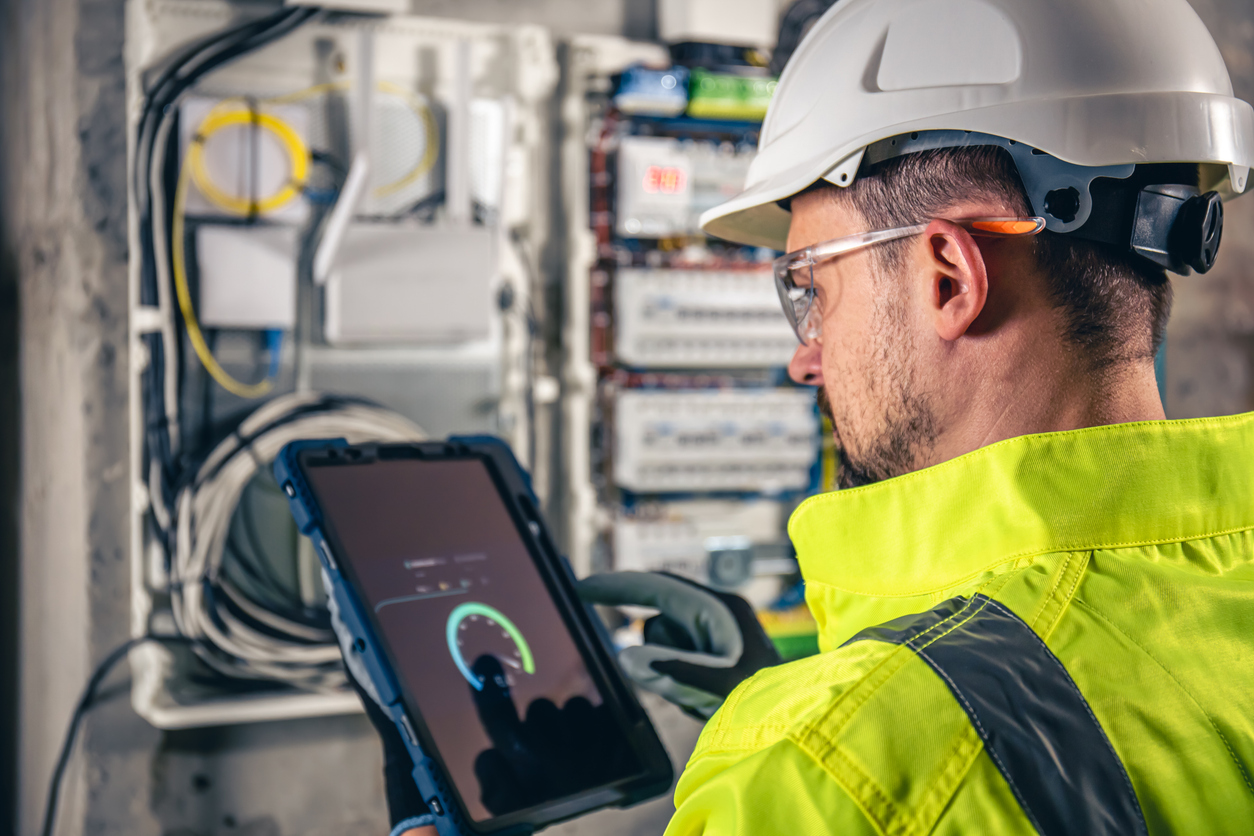
For CCTV and service roles, configuring and troubleshooting network devices is no longer a bonus - it’s a baseline expectation. Employers want engineers who can work alongside IT teams and handle basic connectivity issues without needing to hand off the job.
📌 Skills to Keep Your Fire and Security Career Moving Forward:
- IP addressing
- PoE switching
- VLANs
- Network fault diagnosis
Systems Integration: Why Fire, Security, and BMS Need to Talk to Each Other
Modern buildings require fire, security, and building management systems (BMS) to talk to each other. A fire alarm might need to drop access control doors, alter ventilation, and alert the BMS simultaneously.
If you are aiming for commissioning or project engineer jobs, you need to understand how these platforms communicate (via BACnet, Modbus, etc.). You don't need to be a coder, but understanding interfaces and documenting them properly is a massive competitive advantage.
📌What Employers Are Paying More For:
- BACnet and Modbus protocols
- Interface documentation
- Cross-system fault tracing
Cybersecurity Fundamentals in Fire and Security
Any device connected to a network is a potential target, and employers are highly aware of the risks.
Engineers across all fire, security, and CCTV disciplines are now expected to follow basic secure practices:
- Changing default credentials on commissioning
- Managing firmware update processes
- Understanding network segmentation
Organisations like the NCSC offer free guidance, and both NSI and SSAIB are baking cybersecurity requirements into their scheme standards.
📌The Skills Making the Difference:
- Credential and access management
- Firmware update processes
- Network segmentation basics
AI Analytics & Smart Detection: The New On-Site Standard
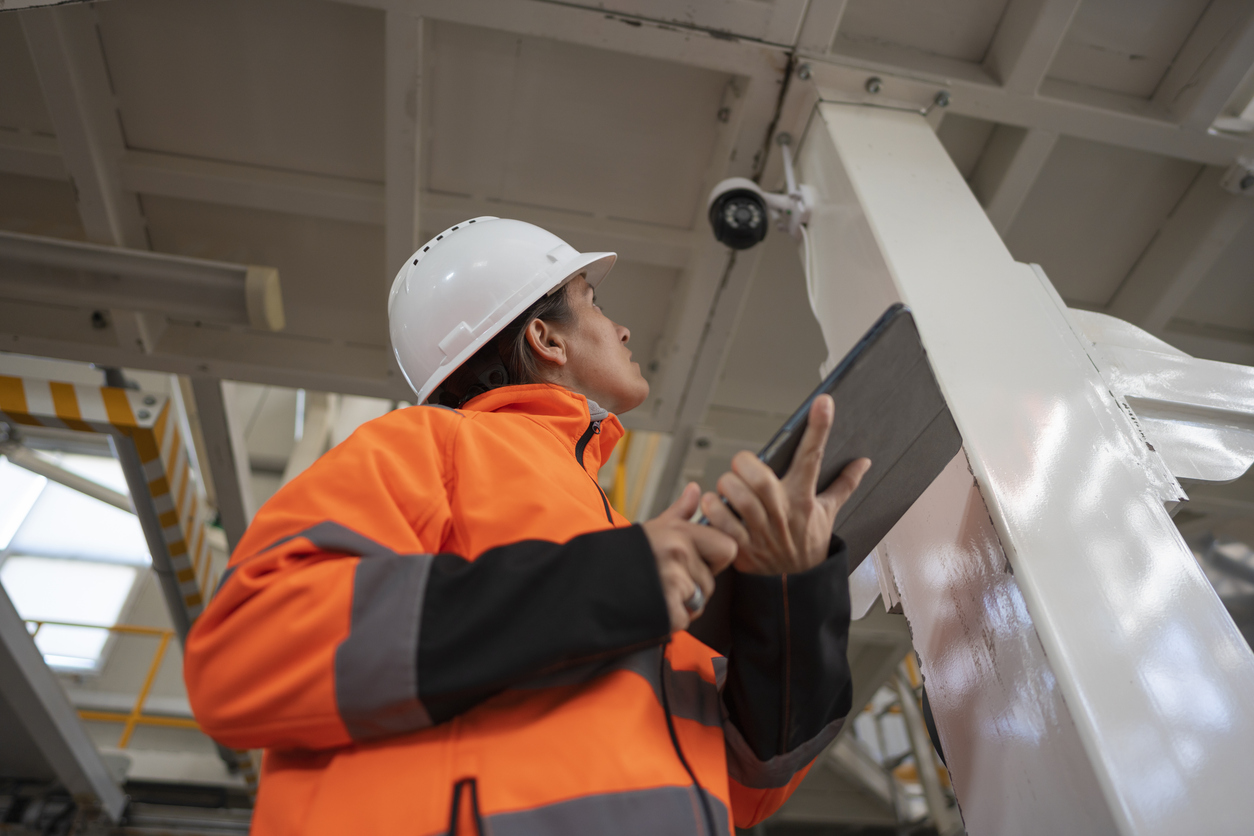
AI video analytics is no longer a luxury feature; it is now standard on mid-range CCTV from Hikvision, Axis, and Hanwha. You will be expected to configure and calibrate object detection, crowd analytics, and behaviour alerts on-site.
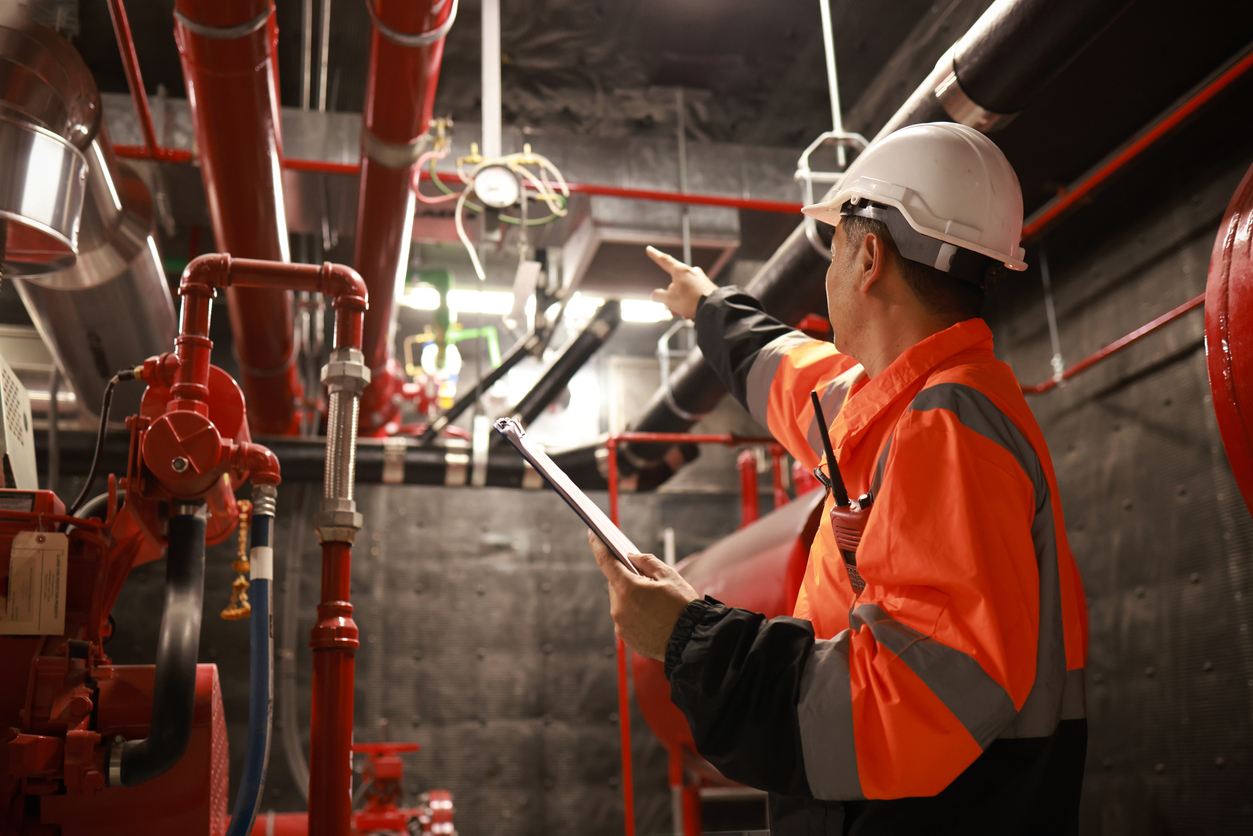
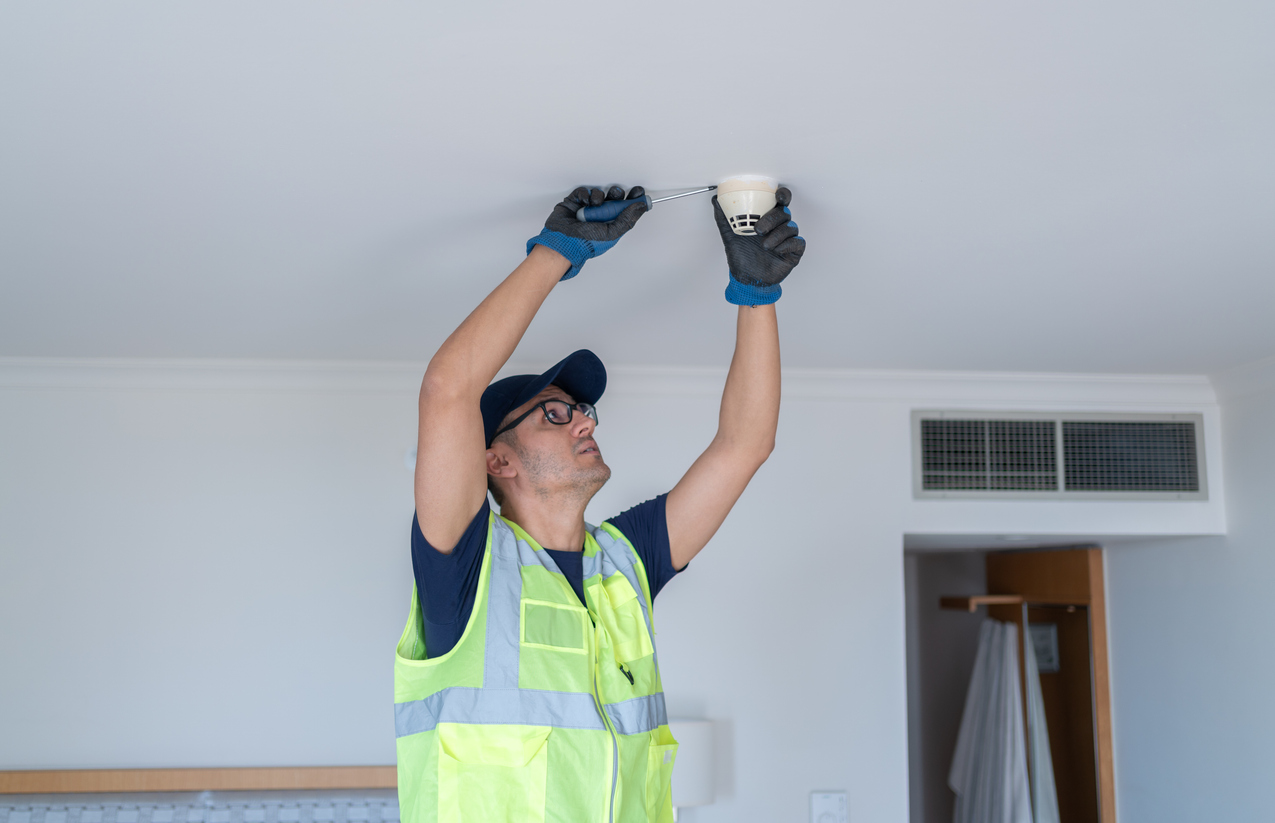
Similarly, multi-criteria fire detectors, which use algorithms to combine heat, smoke, and CO sensing to eliminate false alarms, are becoming standard on commercial projects. Understanding how these systems behave is a must.
📌Add These to Your Toolkit:
- AI video analytics configuration
- Object and behaviour detection calibration
- Multi-criteria fire detection systems
Cloud Platforms & Remote Diagnostics
Remote monitoring is part of daily life now. Platforms like Texecom Connect and Pyronix CloudView come up constantly in our service and maintenance briefs.
Being able to diagnose a fault, push a firmware update, or review event logs remotely saves a site visit and makes you incredibly valuable to an employer. If you have cloud experience, even from telecom or utilities, put it on your CV.
📌Skills to Add to Your CV:
- Remote fault diagnosis
- Firmware updates via cloud platforms
- Event log review and reporting
🔄Bonus Job Hunting Tips for Fire and Security Professional Engineers: Shifting into Telecoms & Utilities
The digital skills listed above are highly transferable. If fire and security demand fluctuates, engineers with strong IP, networking, and integration skills can easily cross over into:
- Structured and data cabling
- Fibre engineering & FTTP jobs
- Fibre splicing
Commissioning Engineers also share a massive skill overlap with the energy and utilities sectors on infrastructure projects. Make sure these broader skills aren't buried at the bottom of your CV.
Don’t Let Your CV Fall Behind the Tech
The days of just pulling cables and mounting panels are giving way to a new era of digital, integrated systems.
If you’re taking the time to learn IP networking, cloud platforms, or AI analytics, you shouldn't be stuck at a company that treats you like a standard installer and pays you yesterday's rates.
The employers we work with are actively looking for forward-thinking engineers who possess these exact skills, and they are willing to pay a premium for them. Let’s make sure your next career move reflects the value you bring to the field.